Brush Seed Harvesting UK
Native Seed Harvesting for BNG, Wildflower Meadows & Ecological Restoration
CDTS North & West provides brush seed harvesting for projects that require local-provenance seed, species-rich habitat creation or site-specific ecological restoration. Using a custom-built brush harvester and low-ground-pressure equipment, we collect ripe seed from suitable donor sites for use on receptor sites where commercial seed mixes are not the right ecological fit.
For commercial hydroseeding services across the UK, see our main service page.
What Brush Seed Harvesting Delivers On Site
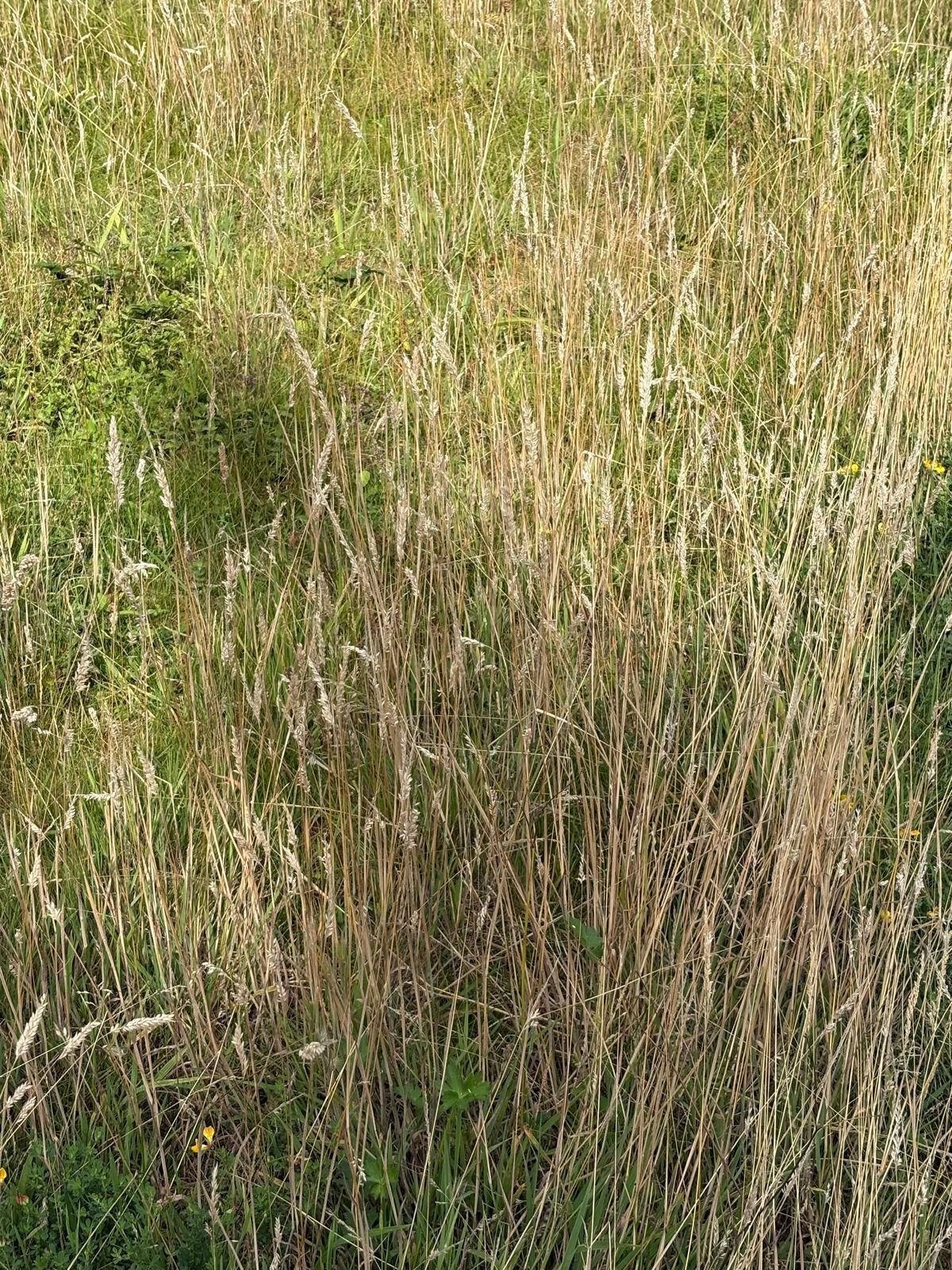
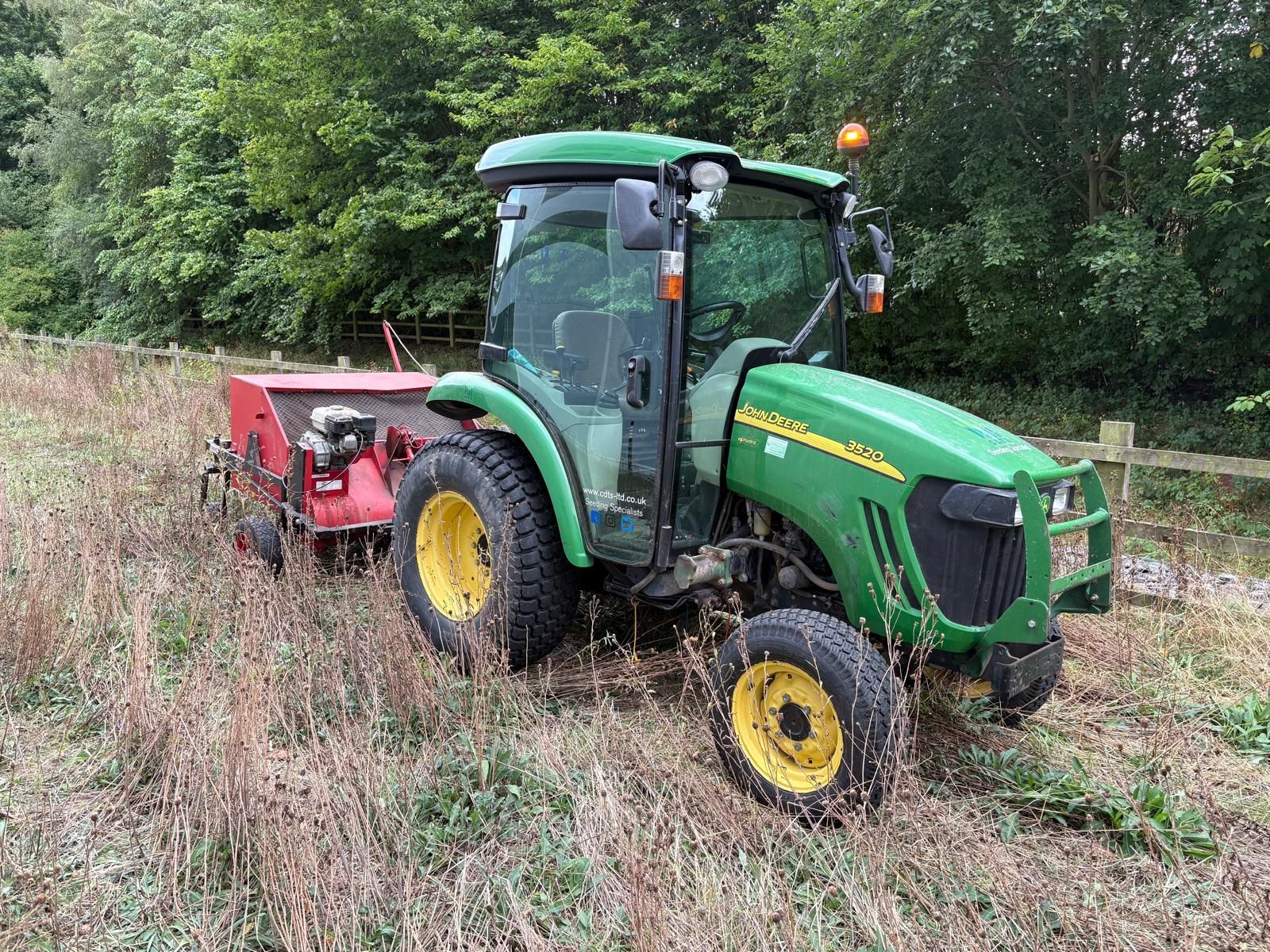
Brush seed harvesting collects native seed from species-rich donor sites for re-establishment on receptor sites. The counter-rotating brushes gently strip seed heads without removing plants, preserving the donor site while capturing a wide range of species that commercial suppliers cannot provide.
Learn more about how harvested seed is applied in direct tree seeding.
Local Provenance & BNG Compliance
Native seed ensures the species composition matches local soil, climate and ecological character. This genetic match improves establishment rates and satisfies BNG requirements for locally-appropriate habitat creation, reducing the risk of post-establishment failure.
Minimal Site Disturbance
Our ATV-towed harvester uses low ground pressure to access donor meadows, heathlands and grasslands without compaction or rutting. Within days of harvesting, the donor site shows no visible disturbance, making this method suitable for SSSIs, nature reserves and conservation areas.
Cost-Effective Restoration
Where donor sites are available within the project area, brush harvesting eliminates the need for expensive commercial seed purchases. A single day of harvesting typically yields enough seed for one hectare of establishment, reducing material costs while ensuring ecological authenticity.
Where Brush Seed Harvesting Fits on Your Project
Brush seed harvesting is specified when projects require genetic provenance, rare species inclusion, or site-specific adaptation that commercial seed cannot deliver. It's the proven method for BNG schemes where planning conditions mandate local-provenance establishment, for habitat translocation projects adjacent to development sites, and for restoration work where donor sites contain target species unavailable from commercial suppliers.
Commercial seed mixes provide baseline grass and wildflower establishment but cannot replicate the genetic diversity or minor species composition of semi-natural grasslands. Where BNG conditions specify local ecotype establishment, where nature recovery networks require genetic continuity between habitat patches, or where rare species translocation forms part of protected species mitigation, brush harvesting captures the full species assemblage including sedges, specialised forbs and grasses that seed suppliers do not stock.
Local-provenance seed for BNG compliance where commercial mixes fail to deliver target species composition or genetic diversity requirements.
SSSIs & Nature Reserves
Gentle collection method suitable for sensitive donor sites where mechanical disturbance must be minimised to protect existing vegetation.
Harvesting seed from adjacent high-quality verges for re-establishment after construction, maintaining corridor connectivity for pollinators.
Collecting seed from nearby semi-natural grassland to establish locally-adapted habitat on restored sites without importing alien genetics.
How Our Brush Seed Harvesting Process Works
01
Donor site assessment
We evaluate donor sites with your ecologist to confirm species composition, seed ripeness and collection volumes. Access routes are planned to minimise disturbance, and collection timing is scheduled to match optimal seed maturity windows.
02
Collection
The ATV-towed brush harvester combs through standing vegetation at calibrated height and speed. Ripe seed is stripped into the hopper while plants remain rooted and undamaged. Multiple passes may be made depending on target species and seed density.
03
Seed processing
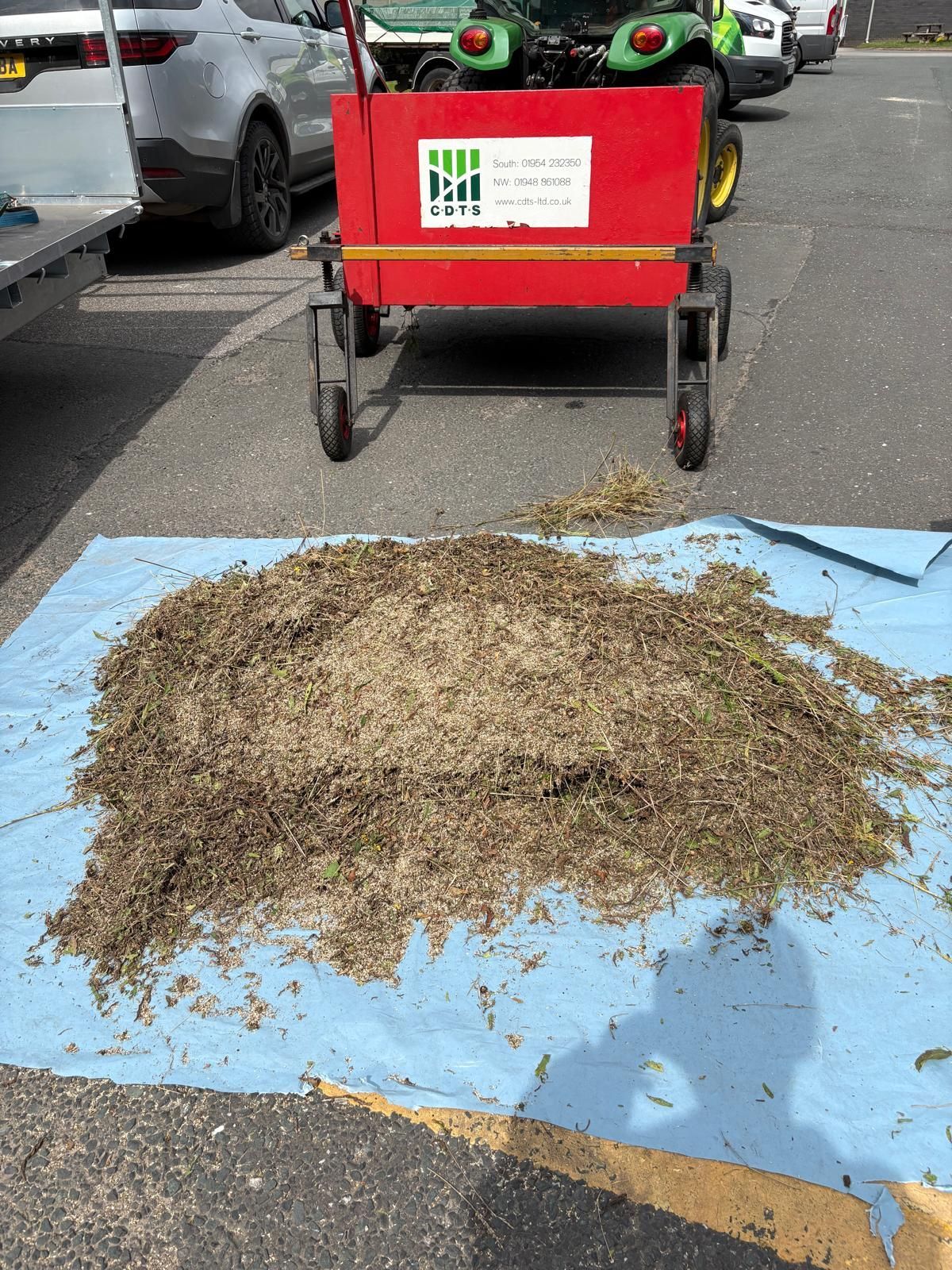
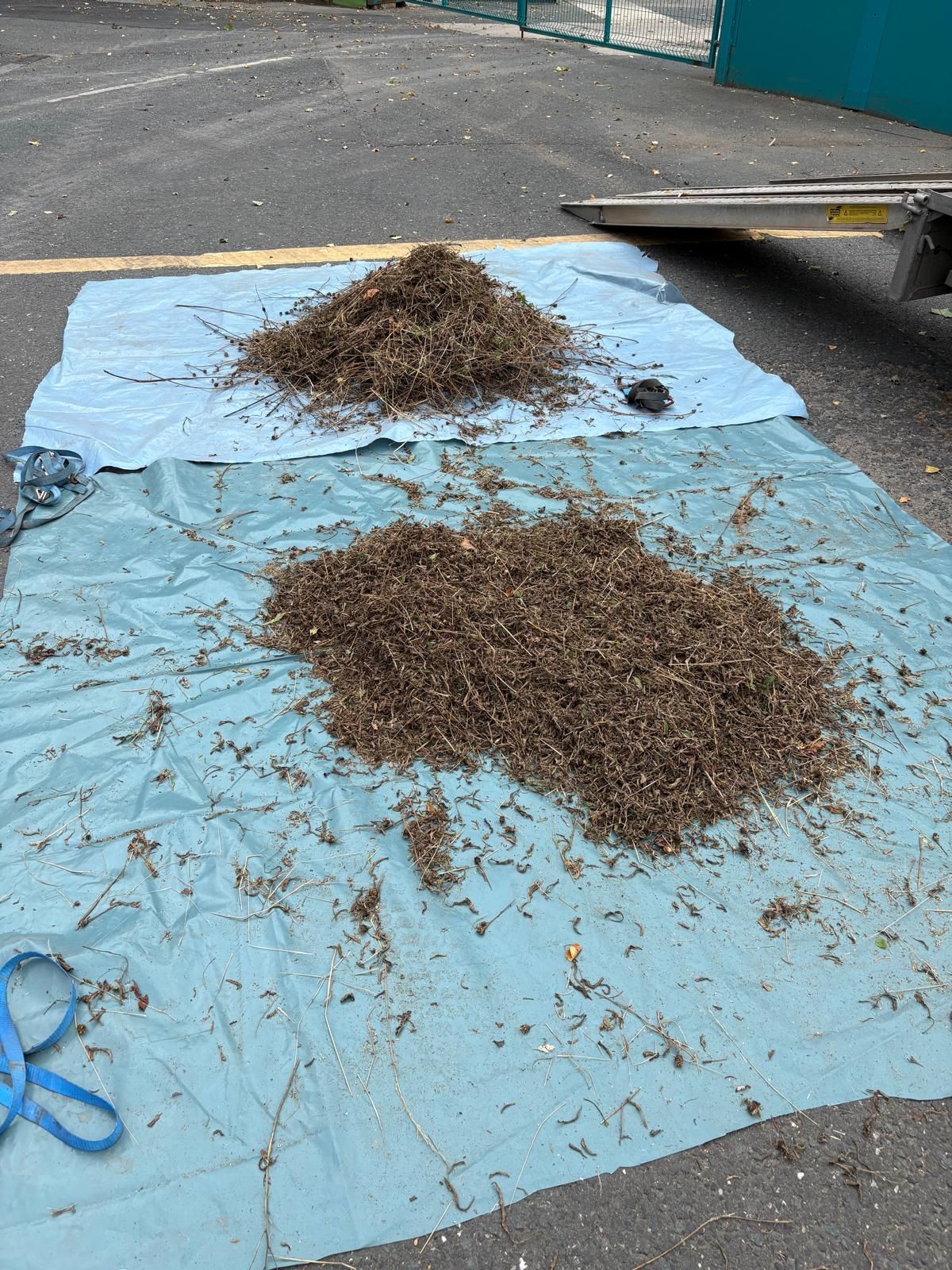
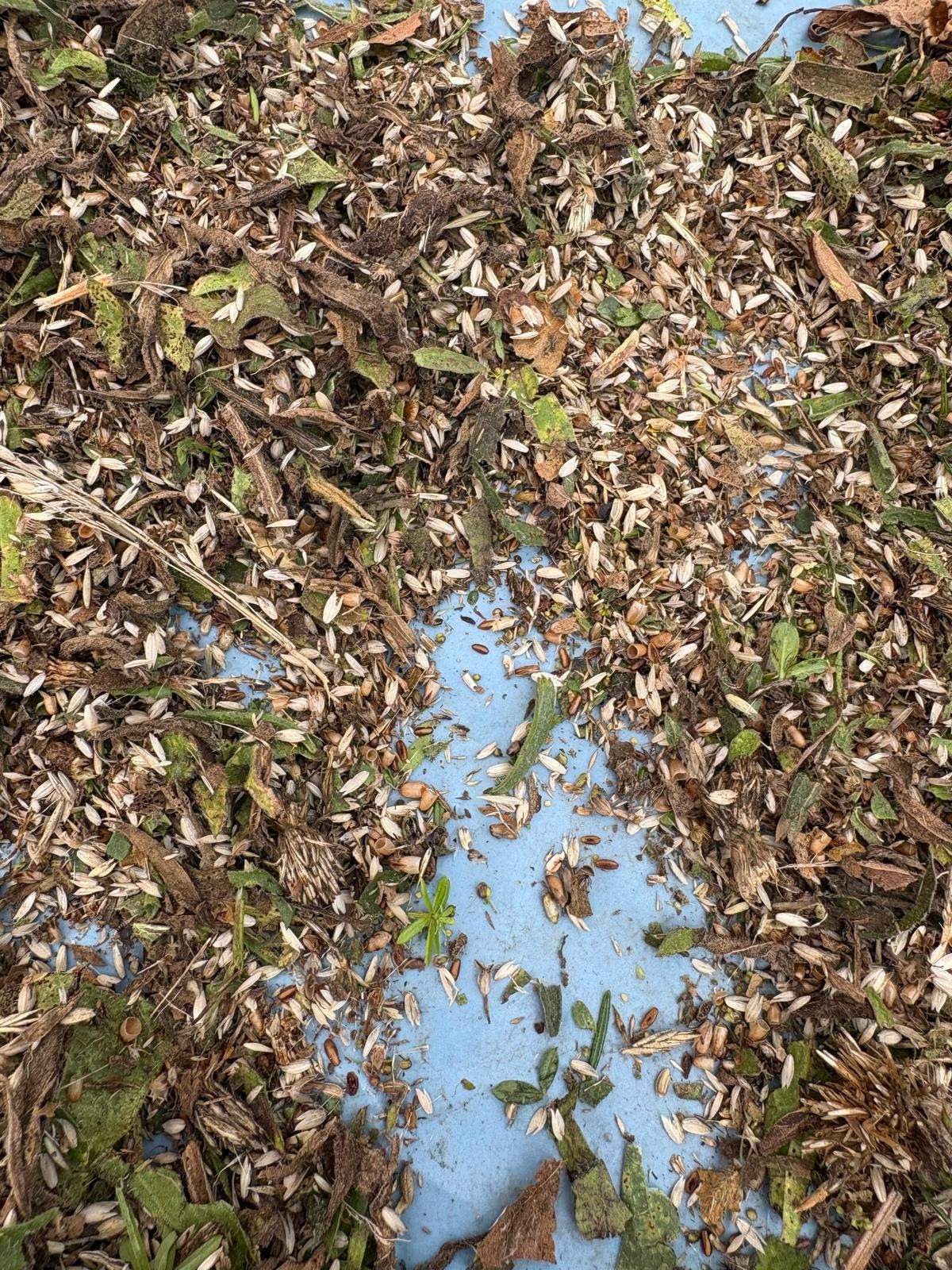
Collected seed is transported to our facility for air-drying on sheets. Once dry, material is threshed to separate viable seed from stalks and chaff, then cleaned and bagged with full donor site traceability and species composition records.
04
Receptor site preparation & sowing
The receptor site is prepared to remove weeds and create an open seedbed. Processed seed is typically sown via hydroseeding for even distribution without deep burial, or by conventional broadcast methods depending on site conditions and specification.
Why Choose CDTS North & West for Your Project?
Brush seed harvesting projects fail when contractors lack suitable equipment for gentle collection, fail to properly dry and clean seed, or cannot coordinate donor site access with receptor site preparation windows. Poor collection technique damages donor sites, mixed species fail to establish, and BNG conditions remain unsigned. CDTS North & West removes these risks through specialist equipment, in-house processing facilities, and proven coordination across collection-to-establishment timelines.
Custom-built brush seed harvester
We operate a purpose-built brush harvester towed by low-ground-pressure ATV, allowing access to wet or soft donor sites while minimising compaction. Adjustable brush height and speed ensure clean seed collection without stripping stalks or damaging plants.
In-house seed processing facility
Our facility air-dries collected seed on sheets before threshing to separate seed from chaff. This controlled process ensures viable seed is ready for sowing, with full traceability from donor site through to establishment.
30+ years establishment experience
CDTS North & West has delivered wildflower and native grassland projects since 1991. Our team understands donor site selection, optimal collection windows, seed viability testing, and receptor site preparation - ensuring harvested seed establishes successfully rather than failing through poor handling.
Frequently Asked Brush Seeding Harvesting Questions
What is brush seed harvesting?
Brush seed harvesting uses a purpose-built machine with counter-rotating brushes to gently comb ripe seeds from standing vegetation on an existing donor site. The collected seed is then dried, cleaned, and sown onto a receptor site to establish new habitat using genuinely local-provenance plant material. It is one of the most effective ways to replicate species-rich grassland, meadow, or heathland from a known local source.
What species can you harvest?
The brush harvester collects seed from a wide range of native wildflowers, grasses, sedges, and heather. The species captured depend entirely on what is present and in seed on the donor site at the time of harvesting. This means the resulting seed mix often includes minor species that are unavailable in commercial seed catalogues — giving the receptor site a more diverse and locally authentic species composition.
Does harvesting damage the donor site?
No. The harvester is towed behind a low-ground-pressure quad bike, and the brushes are calibrated to strip only ripe seed heads without uprooting plants. Within a few days of harvesting, it is very difficult to see where seed has been collected. This makes the method suitable for use on conservation sites, nature reserves, and other ecologically sensitive areas where the existing sward must be preserved.
Does the receptor site need preparation?
Yes. Receptor site preparation follows the same principles as wildflower seeding: invasive species must be treated and a clean, open-textured seedbed created on low-fertility soil or subsoil. Poor seedbed preparation is the most common cause of wildflower establishment failure, so we treat this as a critical step in every project.
Where do you operate?
CDTS North & West is based in Cheshire and operates across the whole of the UK. We carry out brush seed harvesting on donor and receptor sites across England, Scotland and wales, including for infrastructure, land reclamation, housing, and conservation projects.
Discuss Your Project
Whether your site is in Manchester, York, Exeter or Kent, we can review your drawings, discuss access and ground conditions, and recommend the right brush seed harvesting approach. Contact us to arrange a site survey or request a quote.