Steep Slopes & Erosion Control
Steep Slope Erosion Control for UK Construction
Steep slopes on highways, rail embankments, housing developments, and land reclamation sites create immediate erosion risks that threaten project timelines, regulatory compliance, and contractor reputation. A single storm on a bare 2:1 gradient can wash away topsoil, undermine engineered structures, and trigger sediment pollution fines.
CDTS North & West delivers rapid, proven erosion control solutions using Bonded Fibre Matrix (BFM), hydraulic seeding, and conventional methods tailored to site conditions. We protect slopes from day one and establish permanent vegetation cover that eliminates the need for costly erosion blankets or repeated remediation work.
Trusted by Tier 1 contractors including Balfour Beatty, Costain, and Story Contracting across highways, rail, and infrastructure schemes across the UK.
Where Steep Slope Erosion Threatens Your Project
Without effective erosion control, contractors face programme delays, environmental fines, additional remediation costs, and disputes with principal contractors or local authorities.
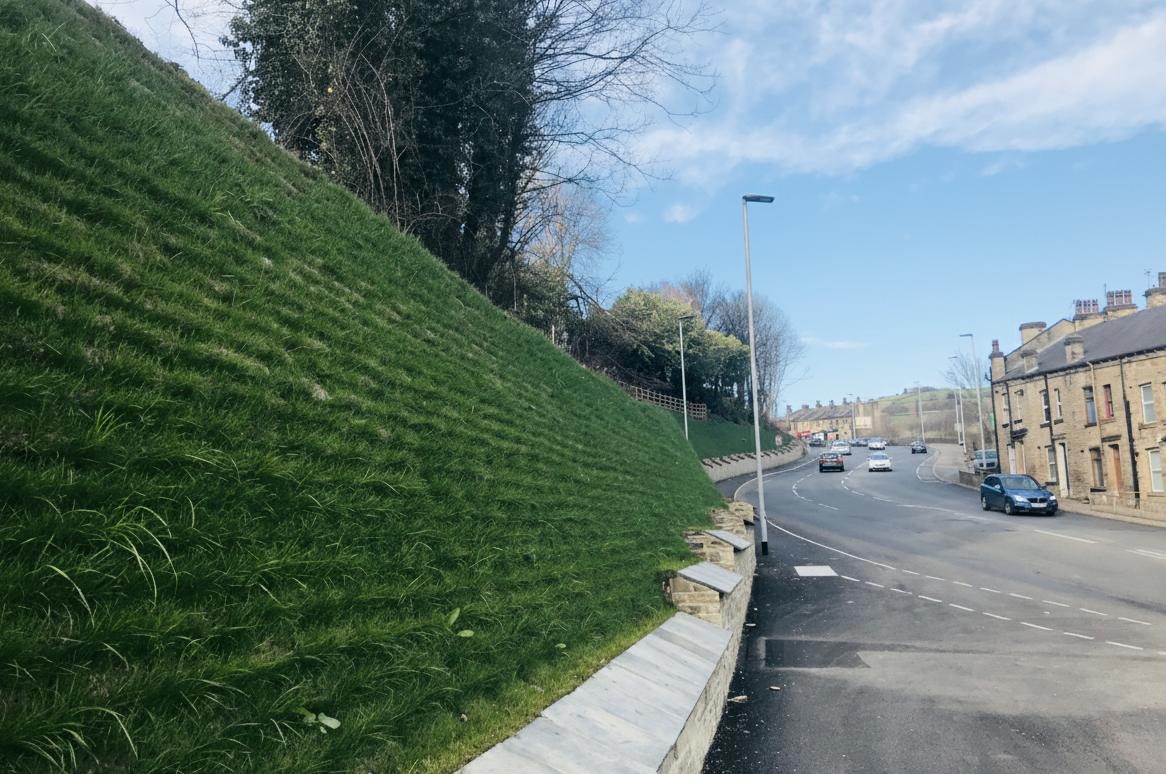
Highway embankments and cuttings
On new road schemes and widening projects where 2:1 or 3:1 gradients face immediate rainfall exposure.
Rail embankments and lineside slopes
On active or new rail corridors where possession windows demand fast, compliant stabilisation.
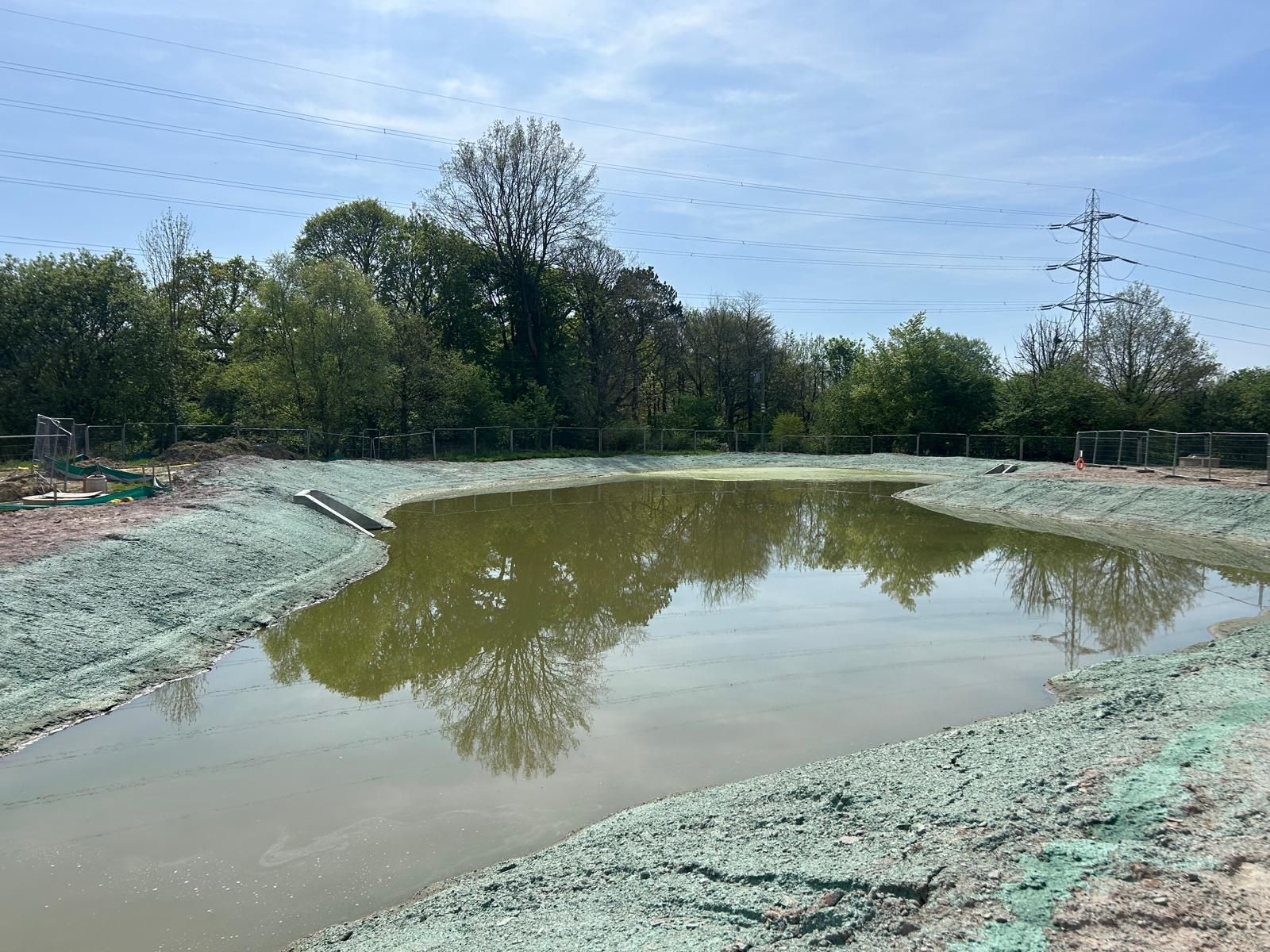
SUDS pond and basin slopes
On housing developments where sediment runoff into drainage infrastructure risks planning condition breaches.
Quarry benches and spoil tips
On land reclamation projects where exposed substrates erode rapidly without vegetative protection
How CDTS Establishes Vegetation on SUDS Features
We select the right stabilisation approach based on gradient, soil conditions, access constraints, and programme requirements:

BFM (Bonded Fibre Matrix) Erosion Control
Immediate protection for steep slopes up to 2:1 gradients
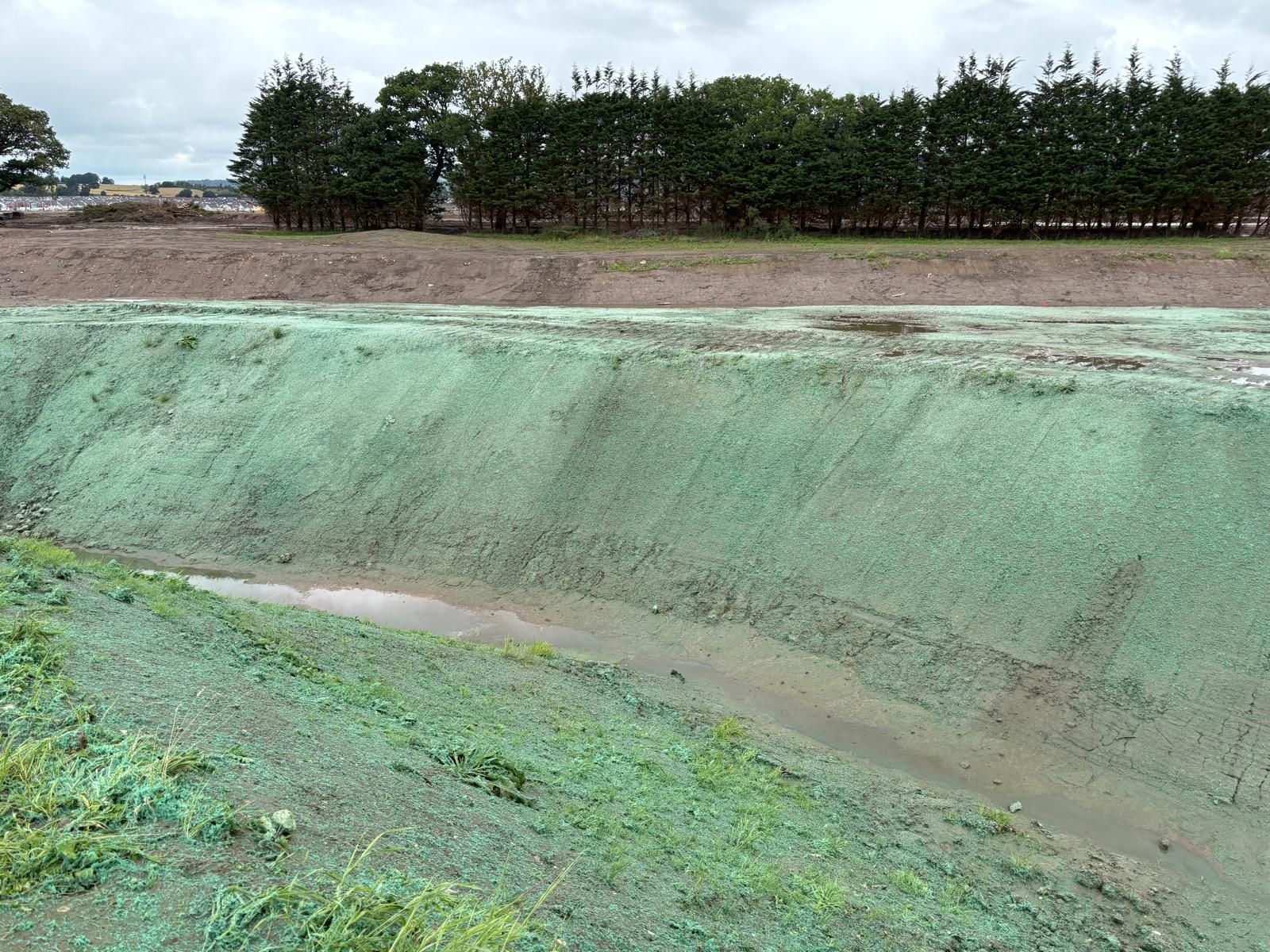
We hydraulically apply a continuous spray-on matrix that bonds directly to soil, creating immediate erosion protection before seeds germinate. BFM eliminates the labour cost and programme delays of installing erosion blankets while delivering equivalent or superior protection.

Conventional Hydroseeding with Tackifiers
Cost-effective protection for moderate slopes
We incorporate tackifiers into the hydroseed slurry to bind mulch and seed to the soil surface, creating effective erosion protection on gradients up to 3:1. This method suits open sites with good access and delivers rapid vegetation establishment at lower cost than BFM.

Erosion Blankets with Seeding
Physical reinforcement for critical applications
For critical applications including riverbanks, dam faces, and slopes where engineering specifications require physical reinforcement. We install biodegradable jute or coir matting, then hydroseed through the mesh to combine immediate soil retention with long-term vegetative stabilisation.
SEEDING SPECIALISTS
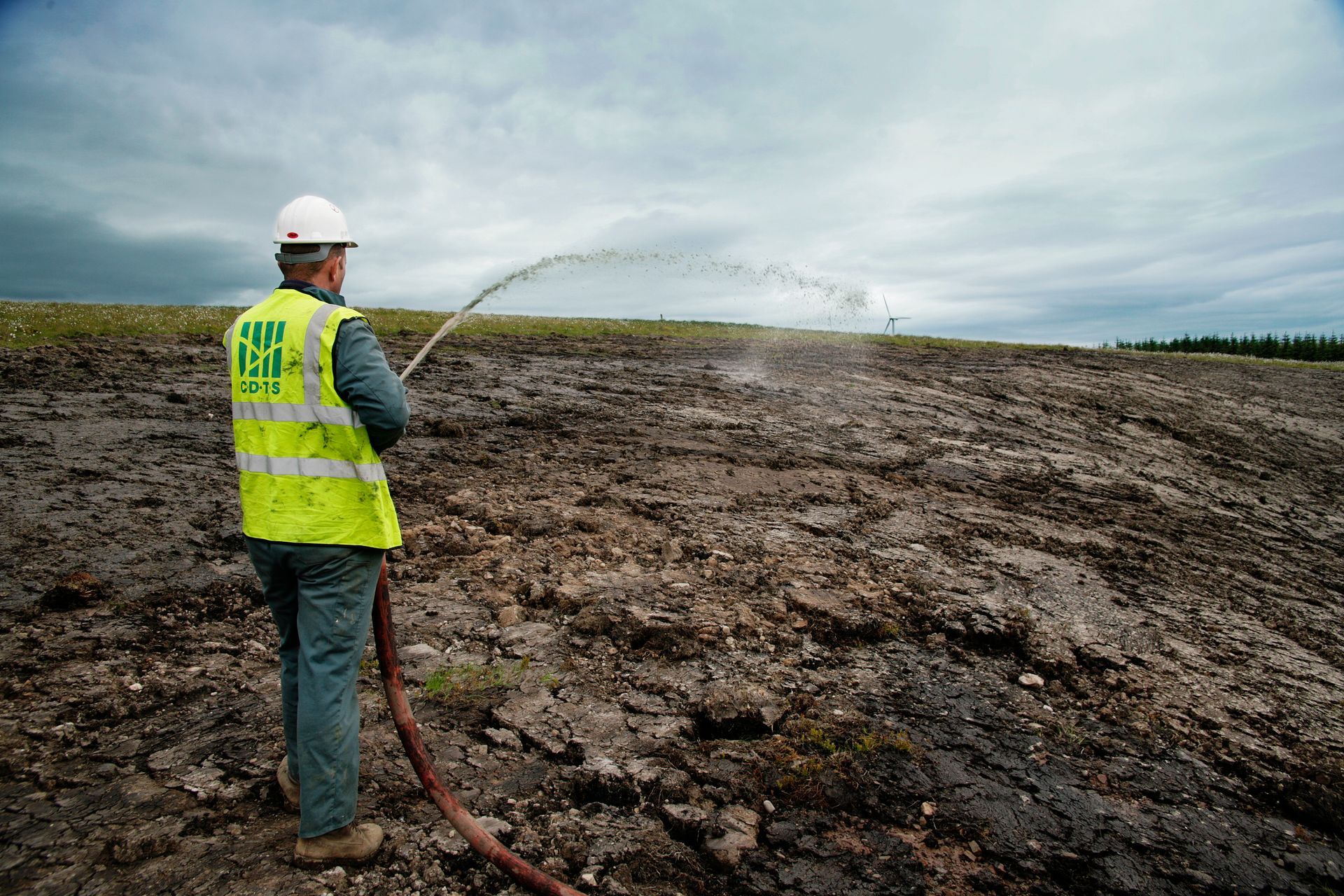
We operate specialist hydroseeding equipment including 6000L lorry-mounted and 2500L towed units that deliver BFM and conventional hydroseeding on projects from single embankments to multi-kilometre highway schemes. Our team holds CHAS and Constructionline Gold accreditation with full H&S and environmental compliance documentation for immediate tender pack inclusion.
We have stabilised 2:1 embankments on the A483 highway scheme for Jones Bros, rail slopes on the West Coast Main Line for Story Rail, and SUDS pond gradients on housing developments across the North West. Typical outcomes, under optimal conditions, include 99% erosion reduction, germination within 7-14 days, and project sign-off ahead of schedule with measurable cost savings versus erosion blanket alternatives.
Why CDTS for Steep Slope Erosion Control
FAQ's: Steep Slopes & Erosion Control
What slope gradients can you stabilise with hydroseeding?
We stabilise slopes up to 2:1 gradients using specified mulches (BFM), which has been proven to reduce soil loss by 99% compared to bare soil during storm events. For gradients of 3:1 and shallower, conventional hydroseeding with tackifiers provides effective erosion protection at lower cost. Steeper slopes or highly erodible soils require BFM or erosion blankets to ensure protection before vegetation establishes.
How quickly does BFM provide erosion protection?
BFM bonds directly to soil and creates immediate erosion protection as soon as the material cures. Once cured, BFM withstands intense rainfall and protects soil before seeds germinate. Seed germination, under optimal conditions, typically occurs within 7-14 days depending on season and weather conditions, after which root networks provide long-term stabilisation.
What equipment do you use for access-restricted sites?
Our 6000L lorry-mounted hydroseeder suits large, accessible sites where programme efficiency demands high daily output. Our 2500L towed unit accesses confined sites, rail possessions, and areas with weight or width restrictions. Both units project mulch slurry over 30 metres horizontally and reach difficult slopes via extended hose deployment.
Can you work during rail possessions or tight weather windows?
Yes. Hydroseeding and BFM application require dry conditions for material adhesion and curing. We plan applications around weather forecasts and possession windows to ensure proper bonding before rainfall. Our 2500L towed unit is specifically designed for rail possession work and confined-access applications where programme timing is critical.
When in the construction programme should erosion control be scheduled?
Erosion control works typically follow final grading and precede handover inspections. Early engagement allows us to schedule applications within earthworks programmes, possession windows, or weather-dependent phases to protect your programme and avoid remediation delays. Contact us during the planning phase to ensure proper integration with your construction sequence.