Mine, Quarry & Land Reclamation
SEEDING SPECIALISTS
Regulatory Compliance and Restoration Sign-Off for Extractive Industries
Completing your mineral site restoration to planning authority standards, protecting restoration bonds, and meeting landfill directive requirements across mines, quarries, and closed waste sites.
SEEDING SPECIALISTS
Mine, quarry, and landfill operators face a compliance-critical problem. Planning authorities and the Environment Agency mandate vegetation establishment on disturbed sites, often with performance-based conditions tied to restoration bonds.
Sites like colliery spoil heaps, quarry benches, and landfill caps present hostile substrates. Low-nutrient spoil, acidic or alkaline soils, and compacted clay caps create conditions where conventional planting frequently fails. A failed restoration means delayed bond release, extended aftercare liabilities, and potential regulatory enforcement.
The consequences are measurable. Bare substrates erode at rates up to 2,000 times higher than vegetated land, creating sediment pollution risks and regulatory breaches. Without rapid vegetation establishment, sites remain operational liabilities rather than restored assets.
The Restoration Challenge
CDTS's Technical Solutions
CDTS has delivered successful restoration projects across quarries, landfills, and mining sites throughout the UK, working with major waste operators and mineral extraction companies. The following examples demonstrate our capability to establish vegetation on hostile substrates and meet regulatory restoration requirements across different site types and conditions.

Quarry Restoration Projects
Transitioning extraction sites to conservation and public access
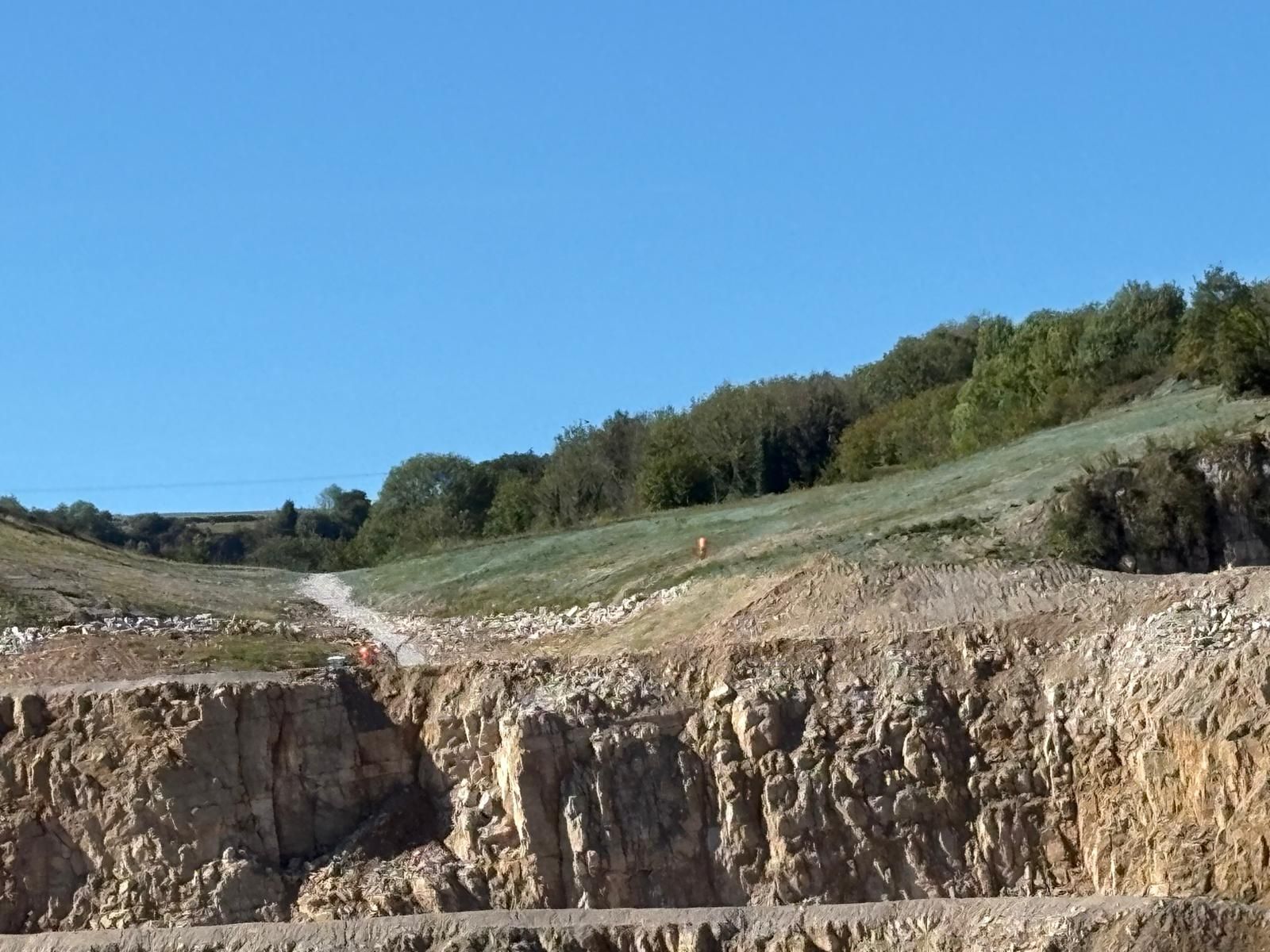
We hydroseed quarry floors, bench slopes, and spoil piles across the North West and West Midlands, establishing grass and wildflower communities on sites transitioning to conservation or public open space. Typical outcomes include achieving target grass cover within planning-mandated timeframes, enabling aftercare sign-off and bond release.
Landfill Cap Restoration
Environment Agency compliance and permit closure
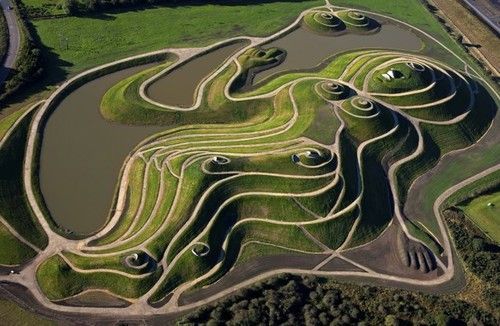
Working with major waste operators including Waste Recycling Group, Biffa, and Viridor, we deliver final cover vegetation on closed landfill sites. Hydroseeding applies robust grass-legume mixes on clay or geomembrane caps without compromising liner integrity, establishing the erosion-resistant cover required for permit closure.
Mining Spoil to Woodland
Direct tree seeding on minimal topsoil substrates
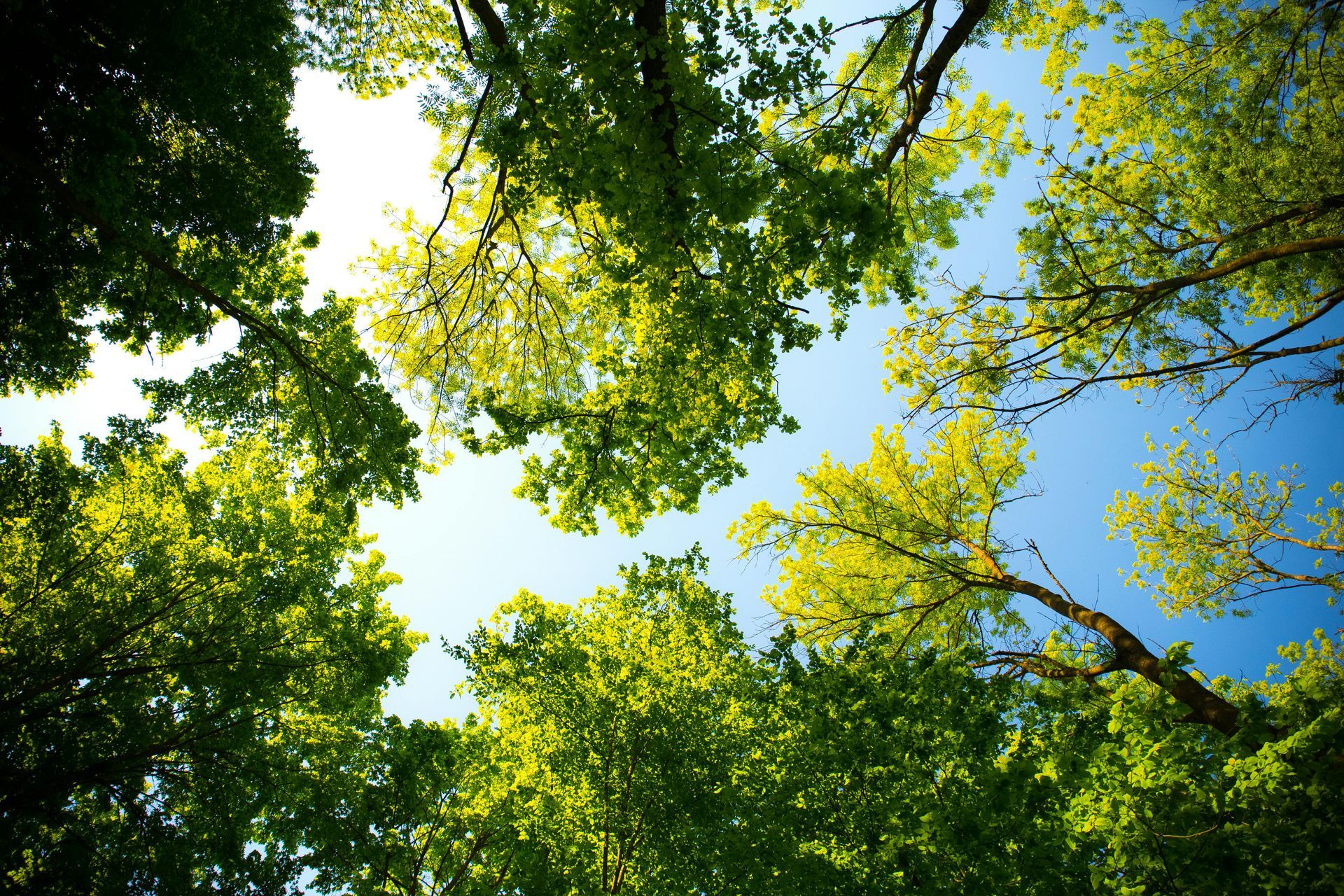
On colliery waste and mining spoil in South Wales and County Durham, we've demonstrated direct tree seeding on substrates with minimal topsoil. Sites hydroseeded with native birch and alder alongside nurse grasses are now developing into self-sustaining young woodland, transforming former industrial blight into ecological assets.
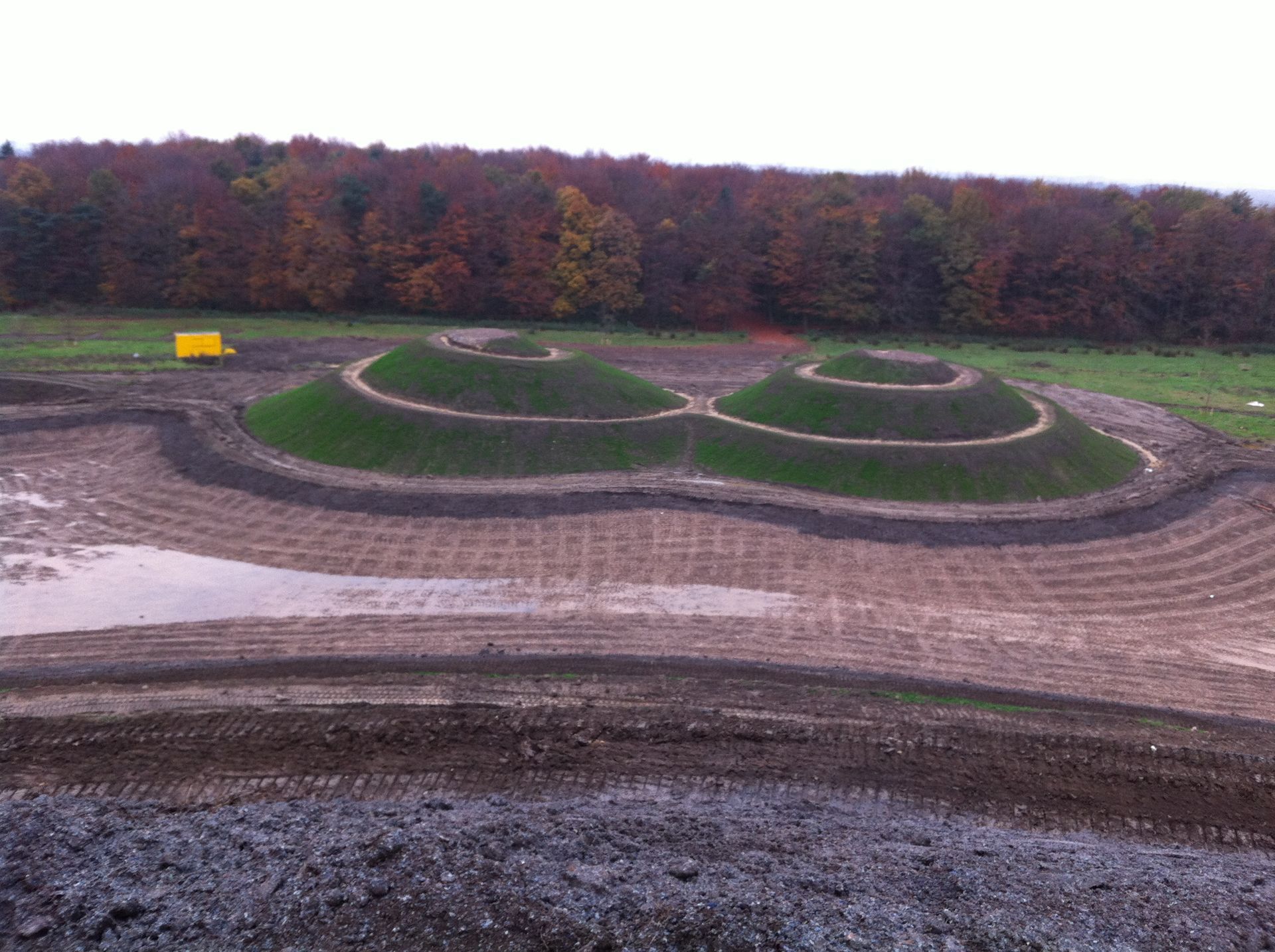
Challenging Site Access and Difficult Conditions
Specialist heavy plant for complex terrain
At Banks Mining's Bradley site in County Durham, we overcame challenging wet conditions and slippery ground by deploying specialist heavy plant to complete hydroseeding on schedule, enabling natural greening of the former mining landscape despite extreme access constraints.
Proven Performance Across Extractive Sites
Quarry Restoration Projects
CDTS has successfully hydroseeded quarry floors, bench slopes, and spoil piles across the North West and West Midlands, establishing grass and wildflower communities on sites transitioning to conservation grazing or public open space.
Landfill Cap Restoration
Working with major waste operators including Waste Recycling Group, Biffa, and Viridor, CDTS has delivered final cover vegetation on closed landfill sites, meeting Environment Agency restoration requirements and Landfill Directive compliance.
Mining Spoil to Woodland
On colliery waste and mining spoil in South Wales and County Durham, CDTS has demonstrated direct tree seeding on substrates with minimal topsoil. Sites hydroseeded with native birch and alder alongside nurse grasses are now developing into self-sustaining young woodland, transforming former industrial blight into ecological assets.
Frequently Asked Questions
Can you establish vegetation on sites with no topsoil?
Yes. CDTS specialises in hostile substrates including colliery spoil, quarry benches, and landfill caps with minimal or no topsoil. Direct tree seeding and hydroseeding with tailored soil amendments (lime, fertiliser) establish hardy plant communities on nutrient-depleted and chemically challenging substrates where conventional planting fails.
How quickly does vegetation establish on restoration sites?
Germination, under optimal conditions, typically occurs within 7 to 14 days during growing season. Target grass cover (70-80%) is usually achieved within the first season, enabling aftercare period commencement and progression towards restoration bond release. Establishment timescales depend on substrate condition, season, and specification.
Will hydroseeding damage our landfill cap or liner system?
No. Hydroseeding applies vegetation without heavy machinery driving over sensitive cap surfaces, preserving liner integrity. CDTS specifies shallow-rooting grass species appropriate for engineered caps and works to landfill-specific protocols to avoid penetration of geomembrane or clay barriers.
How does this help with restoration bond release?
Planning authorities and regulators release restoration bonds only when vegetation meets specified performance criteria. CDTS delivers measurable outcomes (germination rates, percentage cover, species establishment) that satisfy planning conditions, enabling aftercare sign-off and bond release on schedule.
Can you work on steep quarry faces or unstable spoil heaps?
Yes. CDTS operates specialist low-ground-pressure tractors (Aebi Terratrac units) and has deployed heavy plant support (Caterpillar D9 dozers) on particularly challenging sites. The hydroseeding fleet includes 6,000L lorry-mounted units that can spray up to 70 metres vertically, treating steep faces from stable positions.
